Rearview Mirror (Por El Retrovisor)
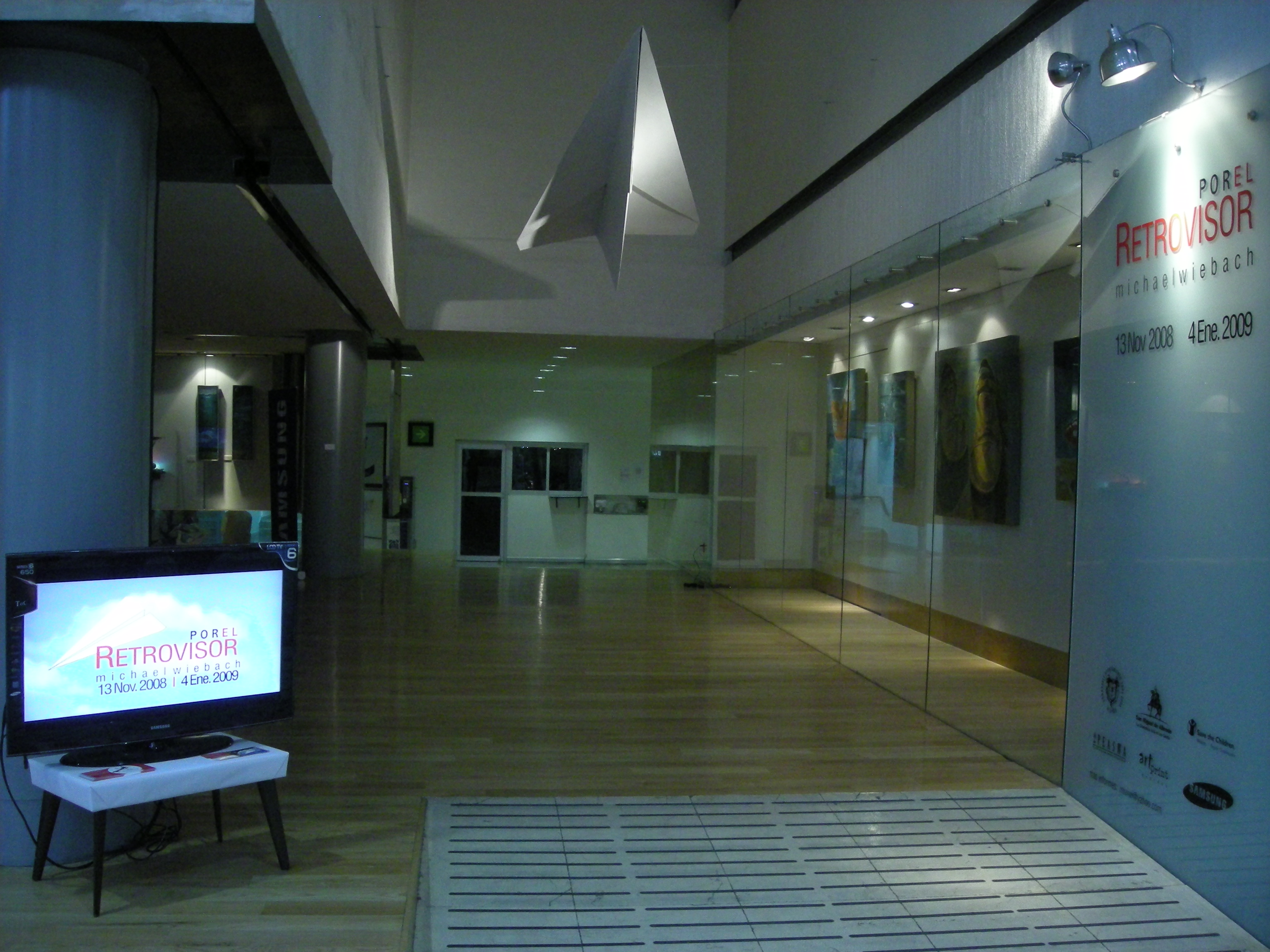
2008-2009 Mexico City International Airport Exhibit Hall Terminal #1

In a time when everything occurs instantly, displacement along with the constant movement of human beings becomes everyday more accessible and sophisticated. Today, centers of “displacement” such as airports can be considered “non-places” where millions of people travel; they come and go anywhere they please.
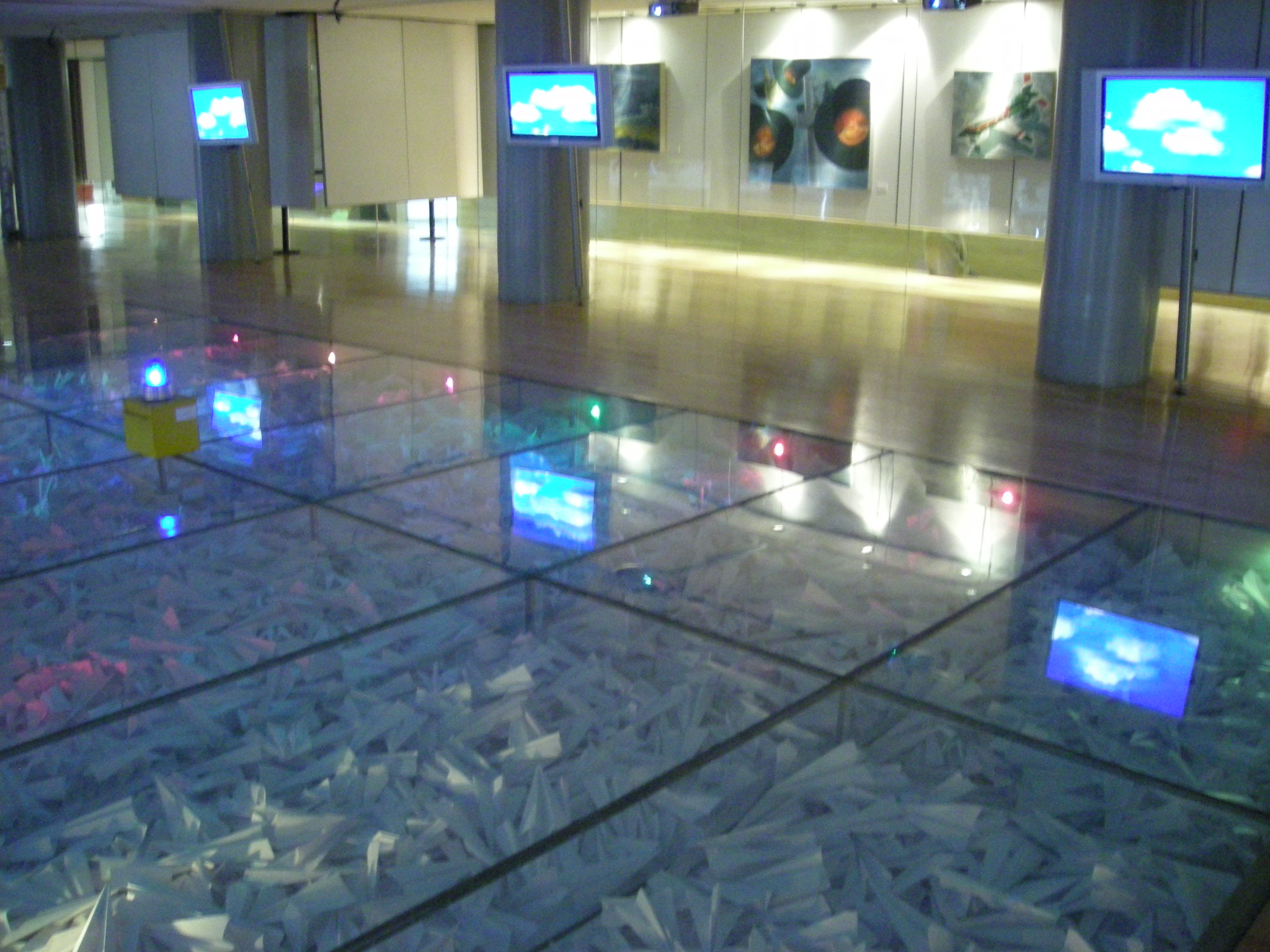
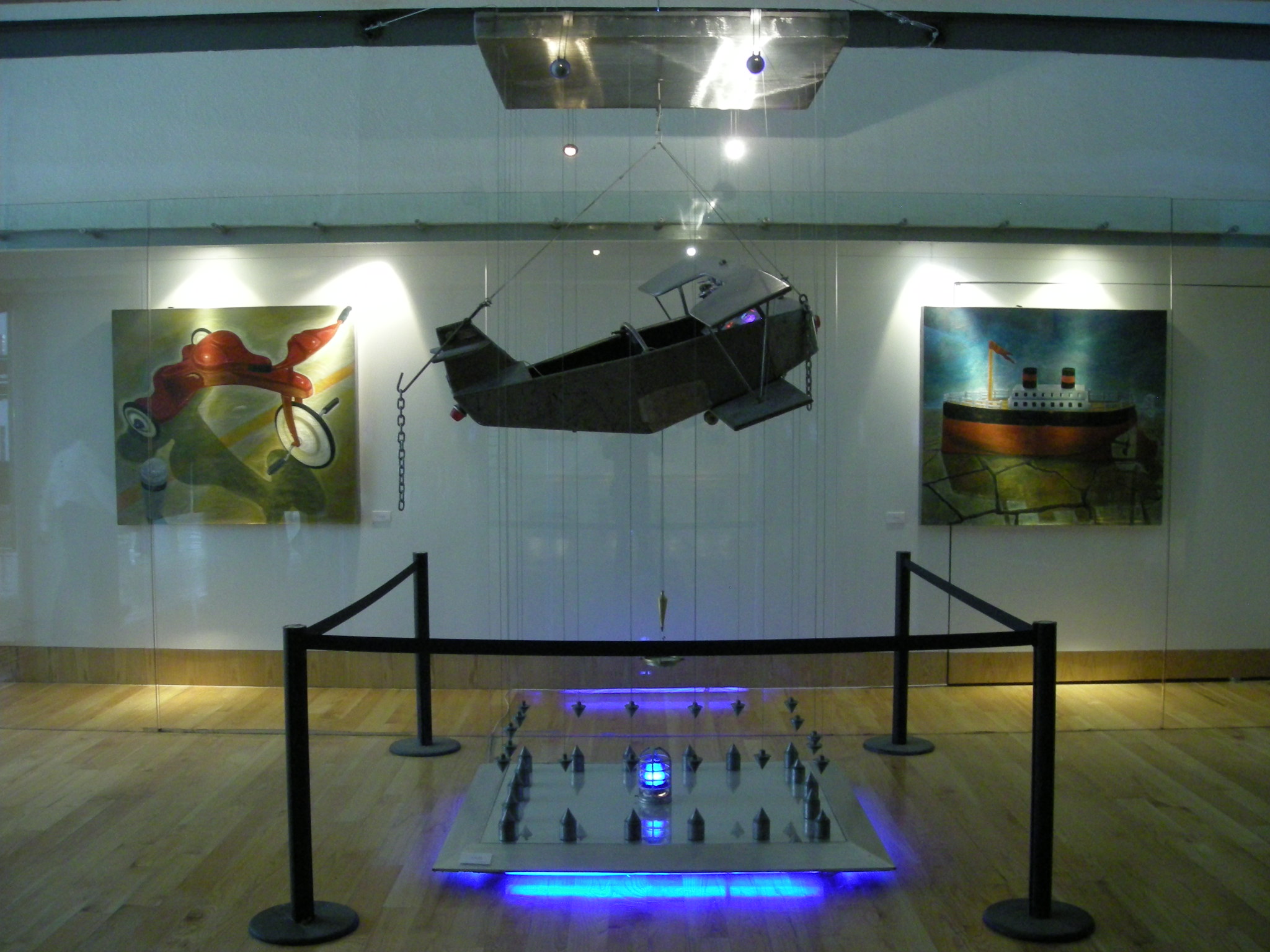
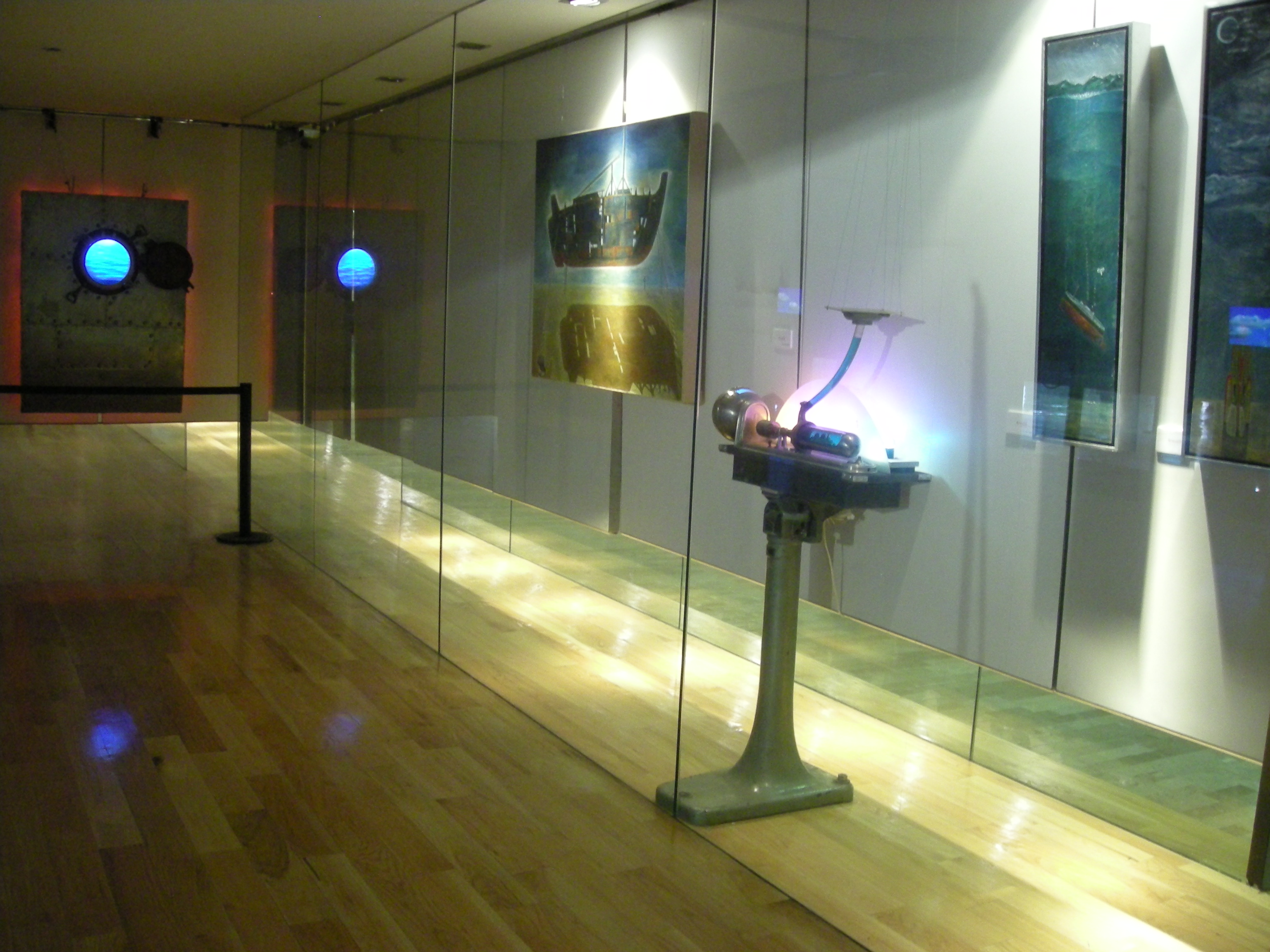
“Rearview Mirror” is a multimedia exhibit by Mexican artist Michael Wiebach which consists of painting, video-installation and art objects, which have been specially created for the exhibit hall at the Mexico City International Airport.
Between past and present, the nostalgia of change, the constant advancement in transportation; “Rearview Mirror” is a coming and going between today and yesterday, a voyage between memory and oblivion, where a sense of elevation and dreams is created.
This exhibit’s presentation of art is more than just an academic painting hung behind glass. The artist utilizes alternative mediums in order to establish a dialogue with the viewer, having isolated the exhibit space from the bustle of airport traffic, time is perceived without sequence, within the alluring calm of cloud projections, horizons, paintings and extraordinary art objects.
The video-installation “Elevation” plays a fundamental part of the visual atmosphere. The spectator is taken through an environment where multiple projections, (some upon the floor) create a sense of “walking over clouds” and the other images on 8 large widescreen TVs suggest aerial movement over horizon clouds, simulating airplane windows, all of this creating a sense of flight.
Among the other video-installations are two separate spaces each housing heartrending creations which evoke memories of past methods of transportations symbolic of old buses and ships. The very unusual and fine selection of found objects combined with special lighting and projections, evoke a sense of nostalgia for the lost object which represent forgone times and obsolete vehicles.
The exhibition’s art-objects can be seen in a playful interactive manner but remain ceremonious, drawing the spectator closer to childhood. Every element of the object is put together with extreme care and appears to transform itself into some form of new but at the same time ancient relic.
The large format paintings recreate circumstances which resemble a mixture of memories and dreams, memories of voyages without end, of distances traveled and future journeys. There exists a sense of nostalgia reveled within the palette and in the way in which the airplanes, ships and other objects are represented.
There is a certain idea perceived throughout the show; a special playfulness in the work, a constant longing to see life as a game. “Rearview Mirror” looks backward and forwards into the passage of man and art.
Text by Ana Quiroz

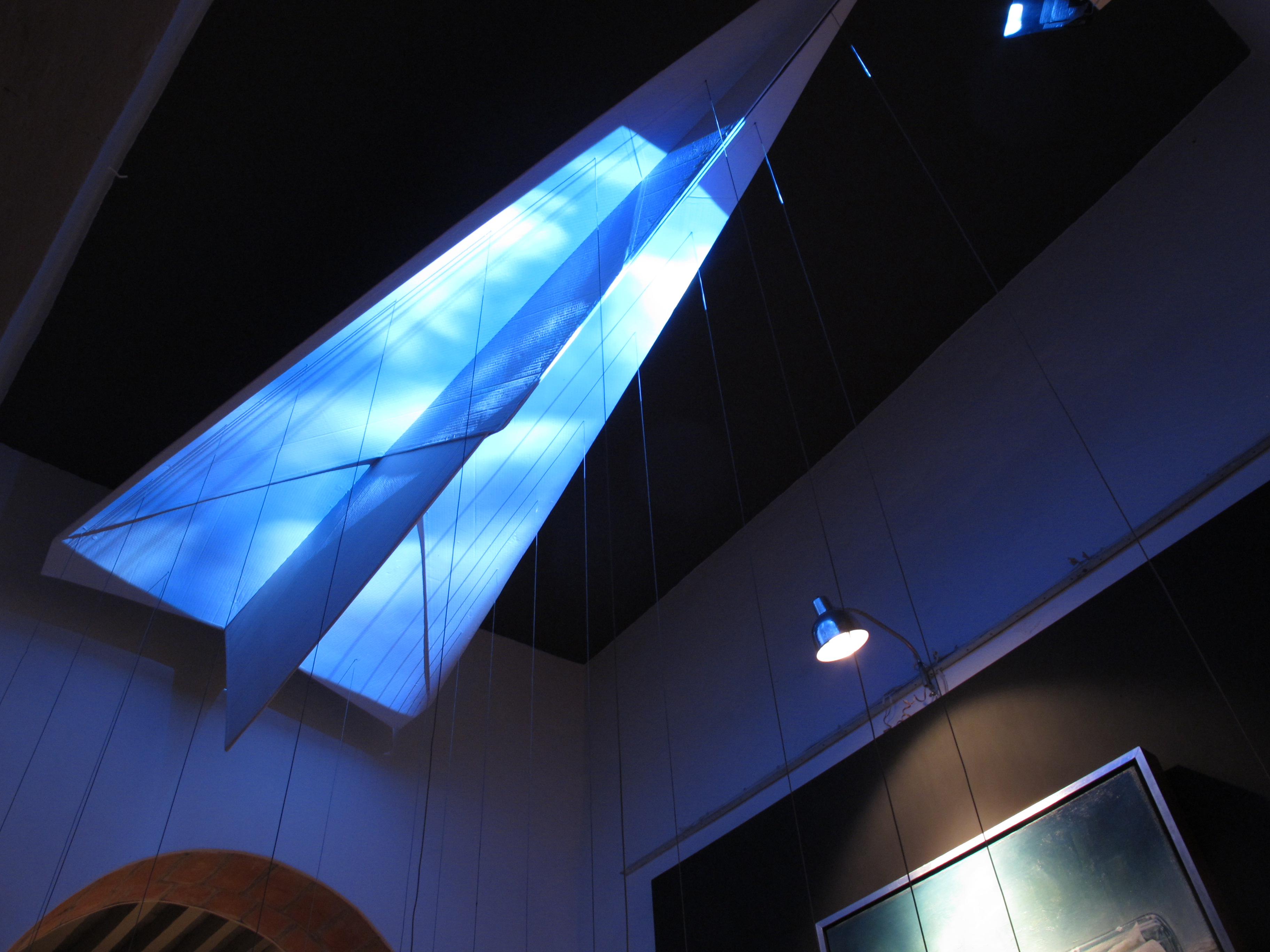
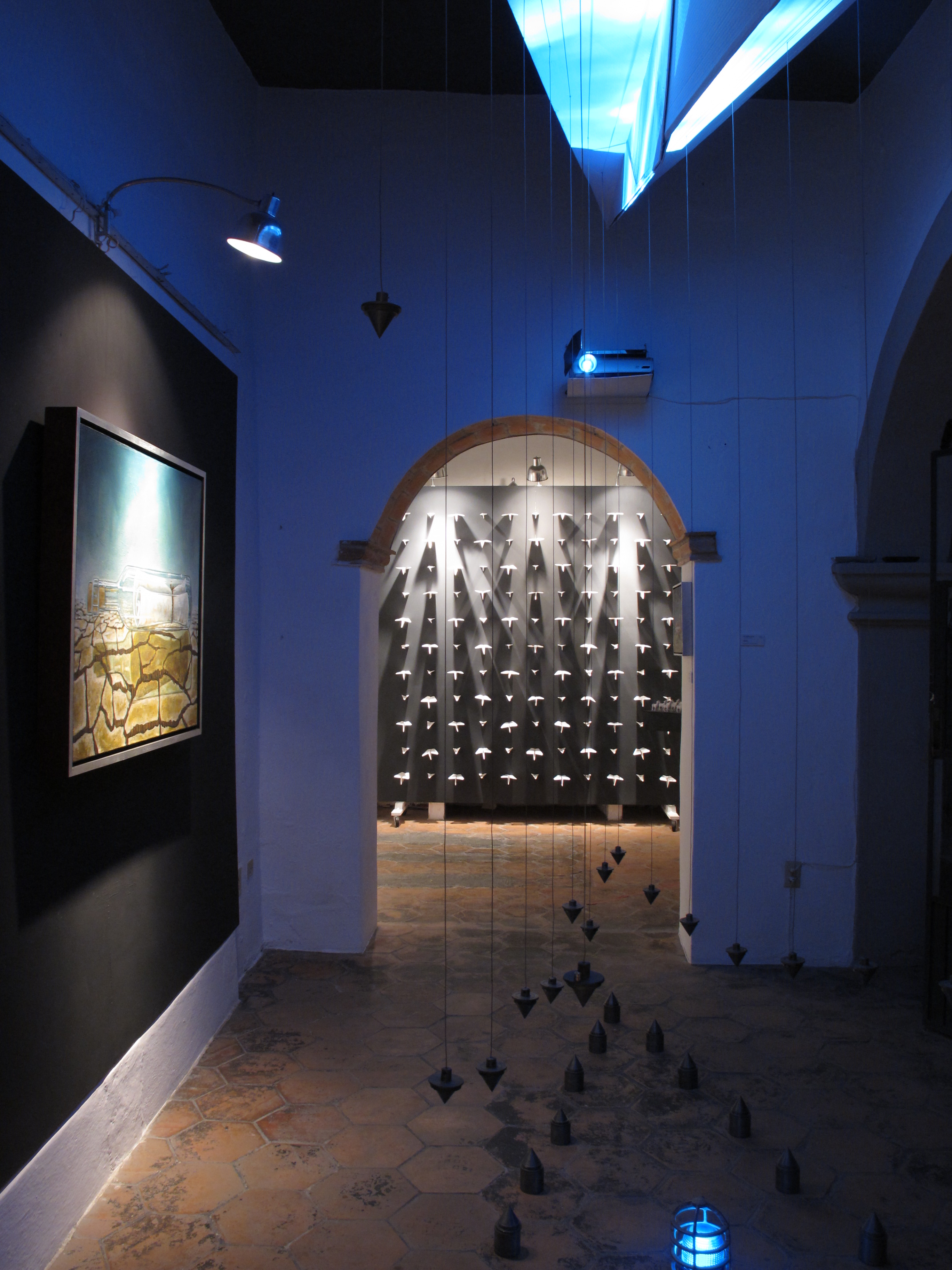
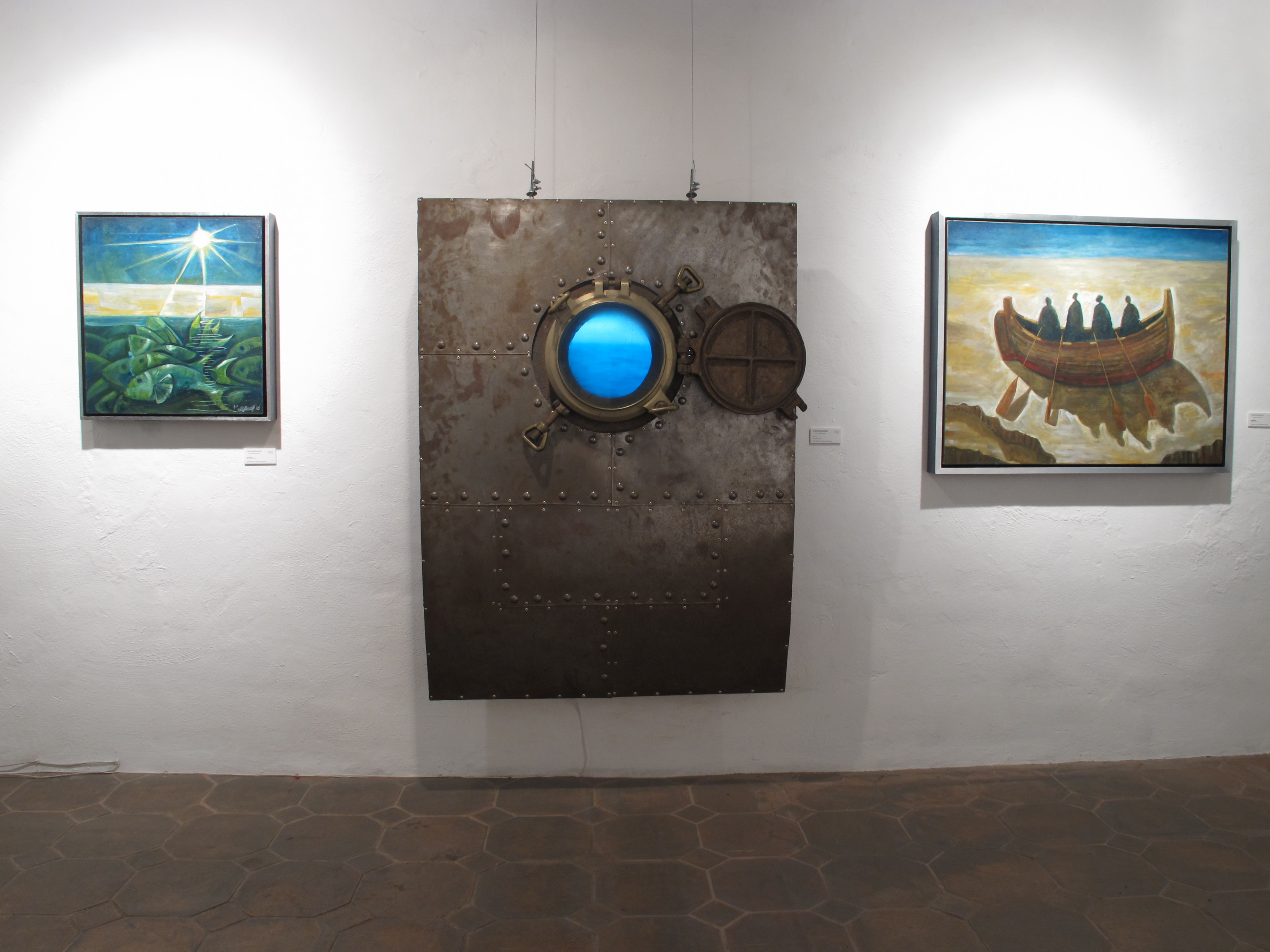
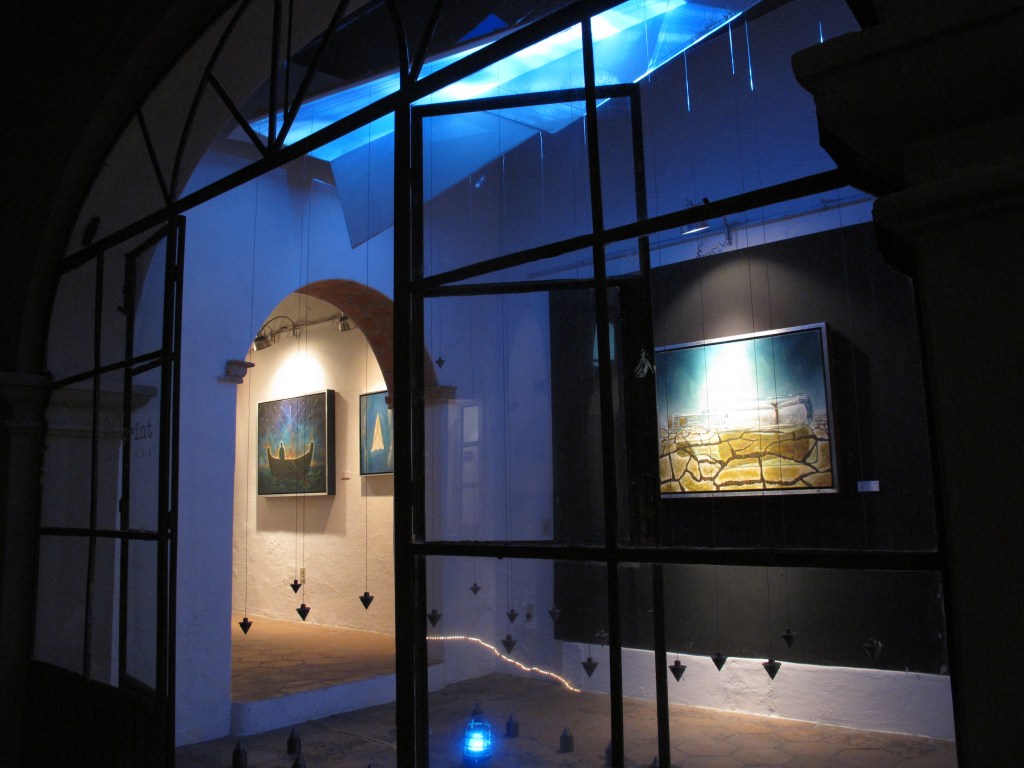
Crossroads
La Nave Art Lab, San Miguel de Allende, Gto. Mexico 2012


Adonde Nos Lleva El Tren?
Sala de Arte Publico Siqueiros, Mexico City 2003
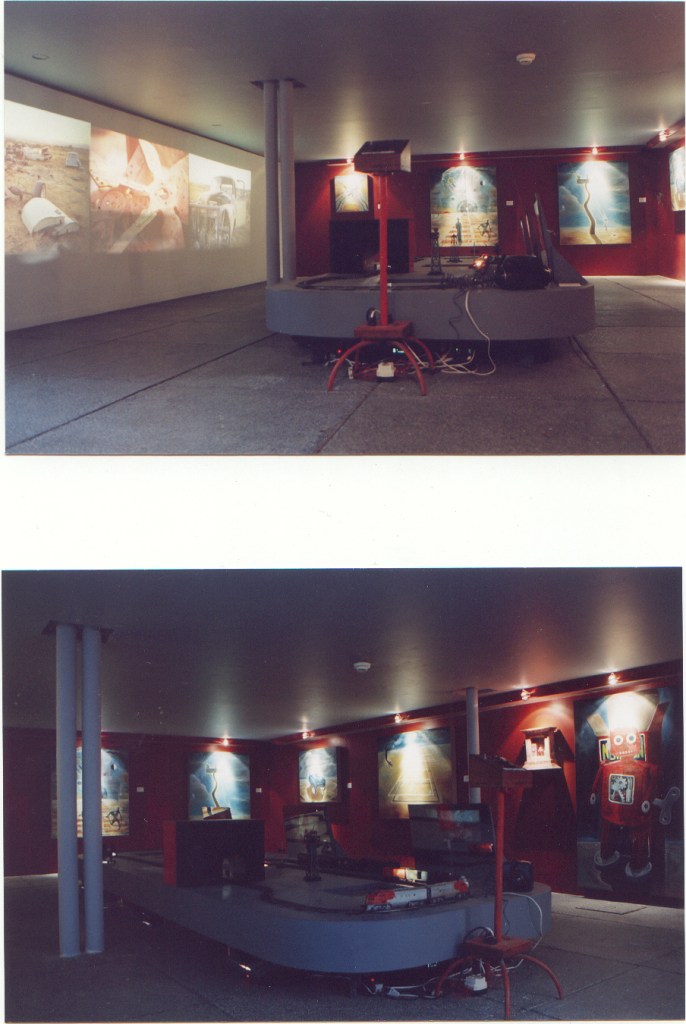
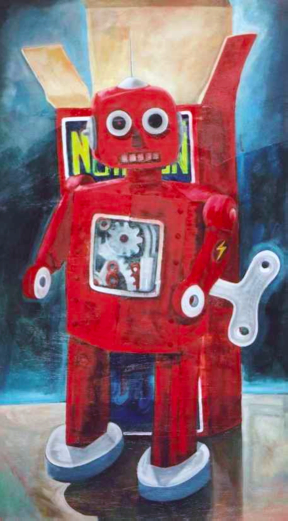
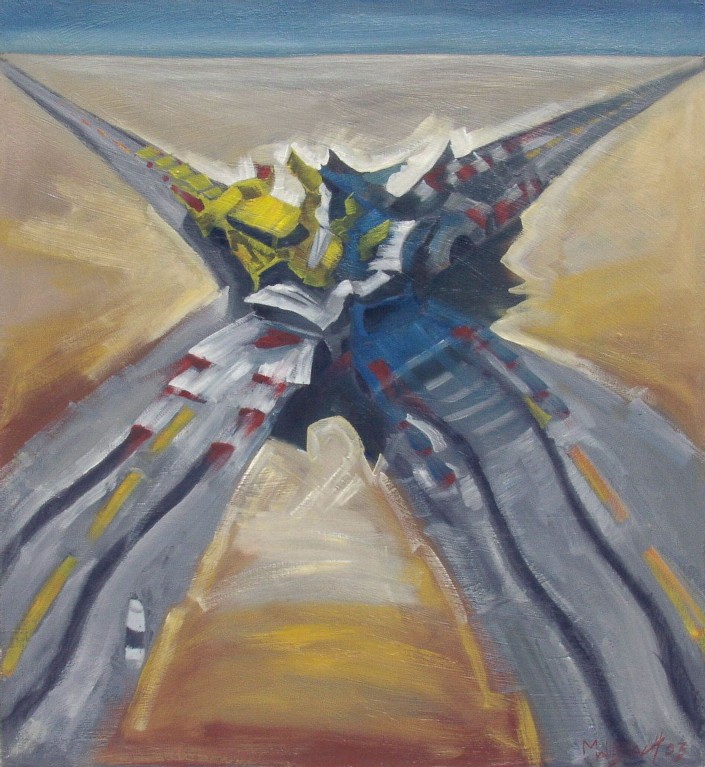
¿A donde nos lleva el tren? The visual artist Michael Wiebach considers that “Sometimes it is important to look back upon the past to understand where we stand in the present”. Continuing on this premise, Wiebach looks towards the past to examine the optimism with which at the beginning of the 20th century the train was looked upon as a symbol of the advancement of modern technology. This machine would be (for the optimist visionary of the era) capable of creating important new industries and linking distant territories, promoting a certain homogenisation which was then looked at as something beneficial. However, this vision was not able of predicting the negative side effects which this industrialization would later bring.
Today however, quoting the artist himself ” Western industry has extended itself to every corner of the globe” not only is it a fact to recognize the ecological consequences which this industrialization has had on the planet, but also that this western supremacy threatens to destroy all cultural diversity based on customs and tradition from different people all over the earth.
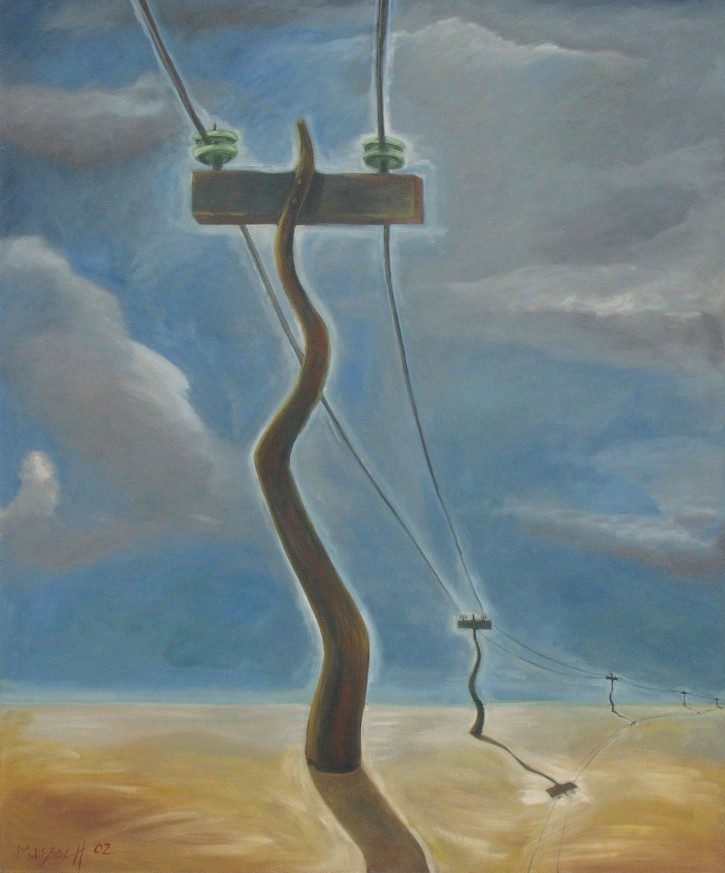
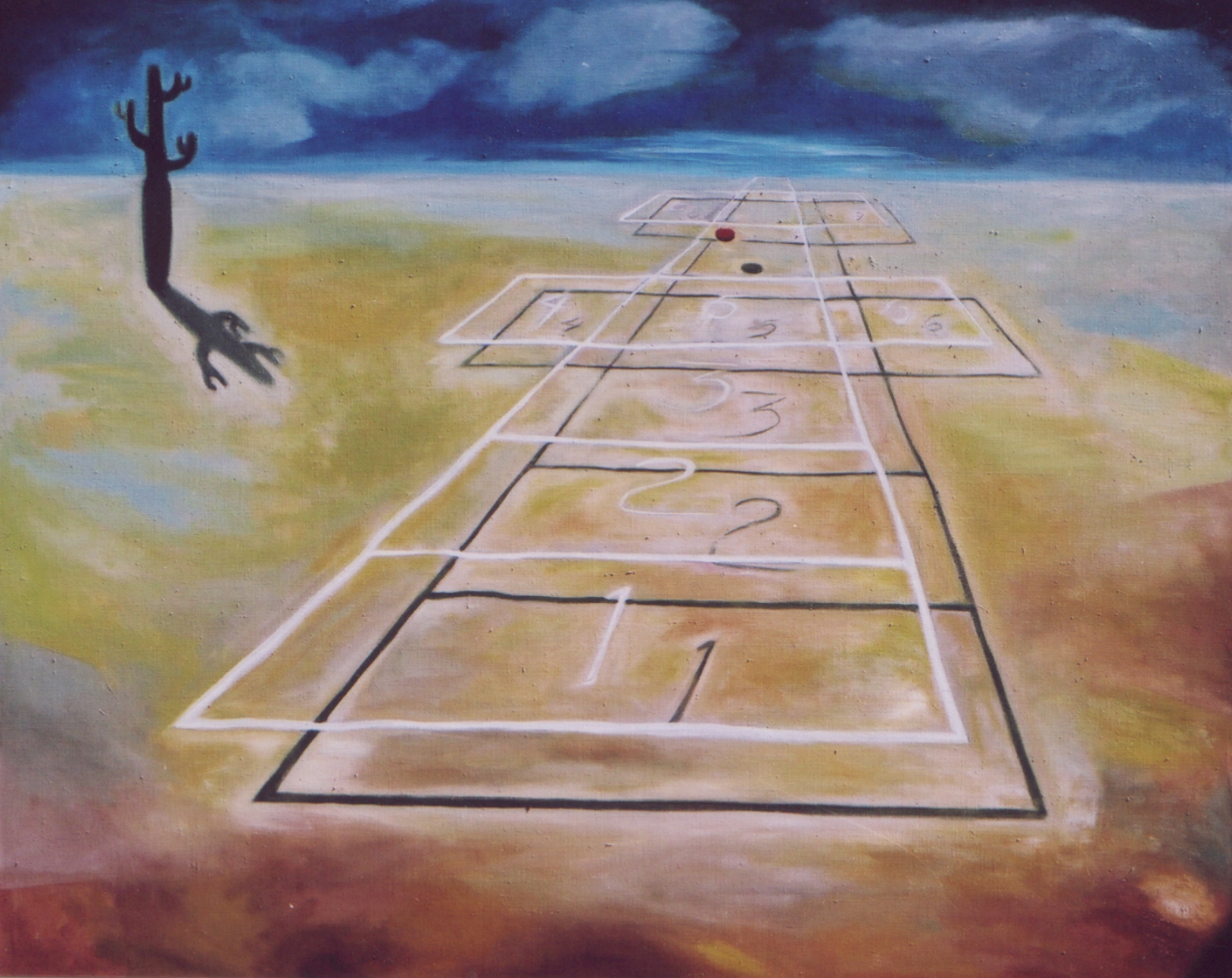
In his paintings Wiebach shows us a desolate universe in which the human figure is absent, but we see it represented by the same desolate desert landscapes which are partly testimony of his own existence. Within these surroundings we find paintings metaphoric of man’s evolution sometimes represented by innocent objects such as old roller skates or little robots which stand like silent witnesses of the destruction caused by man’s own supremacy. When ever we see a human figure among the paintings it is represented as a mere shadow or silhouette, just another object within the painting.
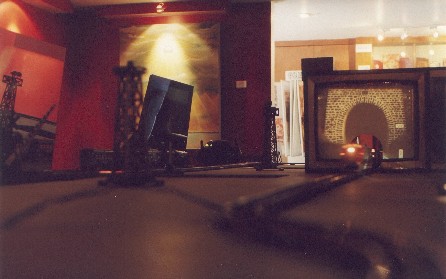
Besides the paintings Wiebach repeats these very same metaphors in an installation (called The train of homogenisation) which deals with the same theme, but now focusing more on the question of cultural diversity. A small train circles the exhibit hall while casting its shadow upon the photographic projections of a series of landscapes on the wall. With this the artist confronts us with the following question: “With out diversity in nature man could not exist. Shouldn’t cultural diversity exist as well? What will happen when man looses all cultural diversity? The train of homogenization continues…where will it take us?

El Avion Se Va
Centro Cultural San Angel, Mexico City 2005
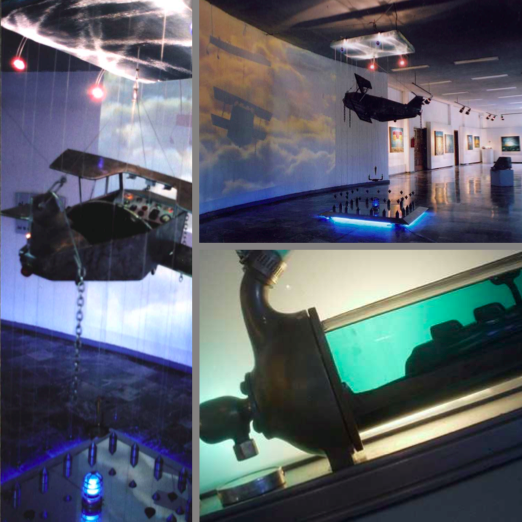
The precision of science and the triumph of positivism, demonstrate man’s irreconcilable nature. It leads us in an uncertain direction, marked by a sense of catastrophe and coldness. In the search for precision and scientific understanding, man has reached an unresolved paradox. In the exhibit El Avion Se Va the way of science confronts itself with the spirit of creation.
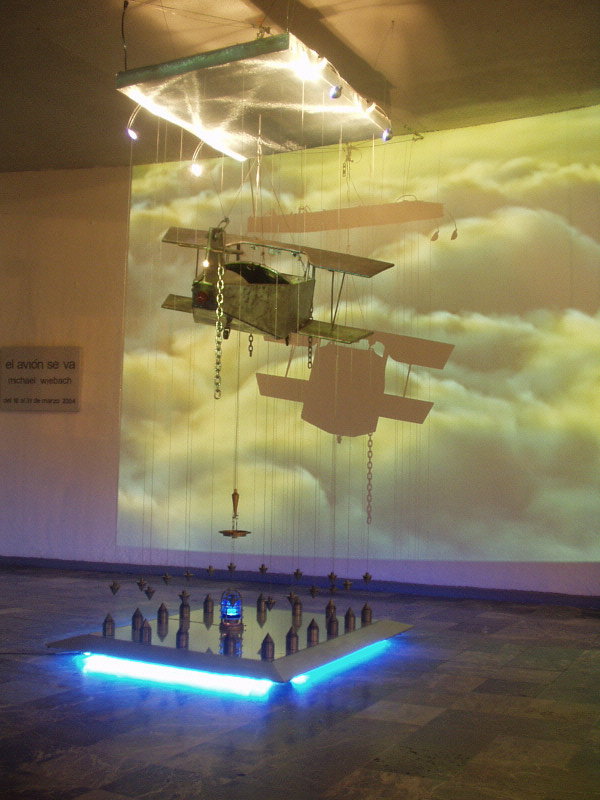
Weightlessness dominates a space where theorem becomes a contradiction. If gravity is transcended by aviation, Michael Wiebach transcends the gravity of objects and materials, he questions the acquired meanings which we have applied to common things
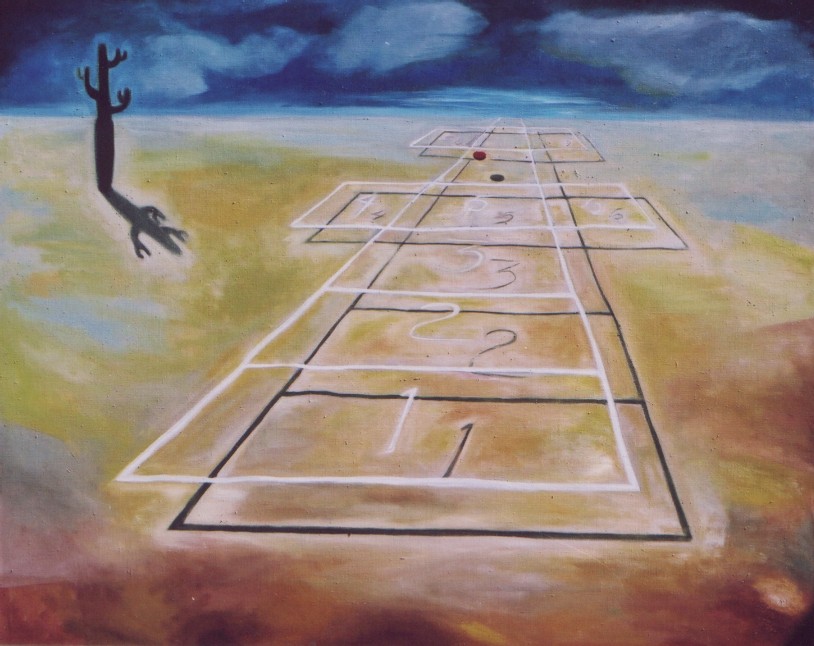
The precision of a pendulum hanging from a string has delineated the architecture of ancient cities and monuments. Throughout the exhibit inverted pendulums warn us about the necessary opposition of extremes and the indispensable existence of weightless intermediate space. Perhaps from the pendulum hangs time, in its continuous movement of a helix cycle which transits and returns to its origin by necessity. The child’s game of hopscotch (el avioncito in spanish) is reconstructed in the tidy installation which recalls the absurdity of its nature. A paradox is created, of an immensely heavy object which flies, in a realm where technology is an attainable dream. Michael Wiebach’s plane is a small toy which has liberated itself from it’s yoke. It flies always in the same place, measuring time not distance, reflecting on itself, breaking its chains and beginning to float.
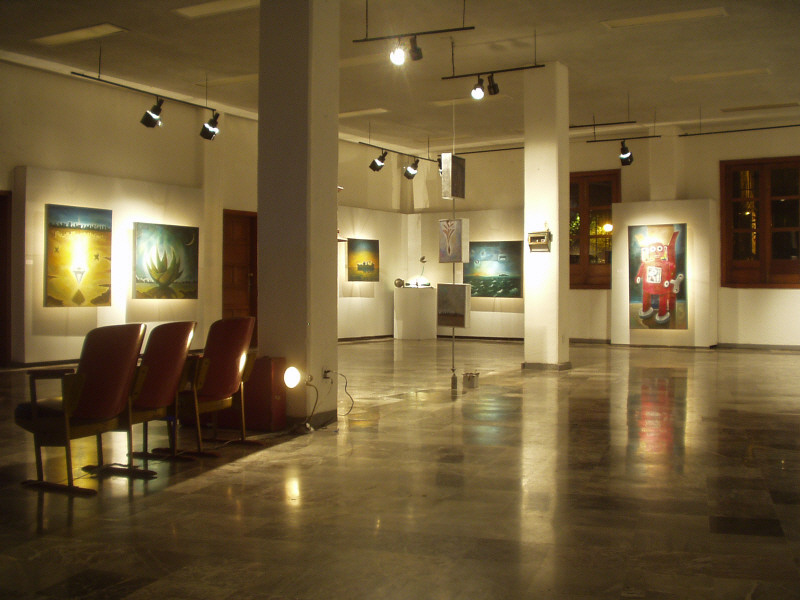
The creative process begins with the collection of old, discarded objects, which suggest coincidental encounters where careful selection, along with impeccable restoration work and the force of electro-mechanical gadgetry, show an interest in creating a complete visual ambient. The paintings suspended at a distance from the walls, transcend the order imposed by the walls themselves. As such, they express distinct aspects of urban nature, as in the artists’ previous exhibit Adonde nos Lleva el Tren in which he used a palate of yellows, blues, grays and reds. A desert in which violence adheres to metal. Bad timing is measured with the light that defines the limits between earth and sky., the minimum space marking the horizon.
The only relic which does not agonize is the desolate presence of the toy, whose own irony beats silently. Whether they are wind-up toy boats which signal the imminence of war, or the “absent space”, the kingdom of artifice where movie chairs and minds float, they are images which attend to a longing for complete control which has not yet been reached.
The seasickness is intentional; it is the levitation of beings and paintings, the creation of an environment without gravity, the destiny of recollected and re-contextualized objects, the playing and the working of light. Time, movement and an inverted ego, are metaphors worthy of both sides of the brain.
Text by Ana Quiroz

 Michael Wiebach